Home › Parking Lot Repair & Replacement
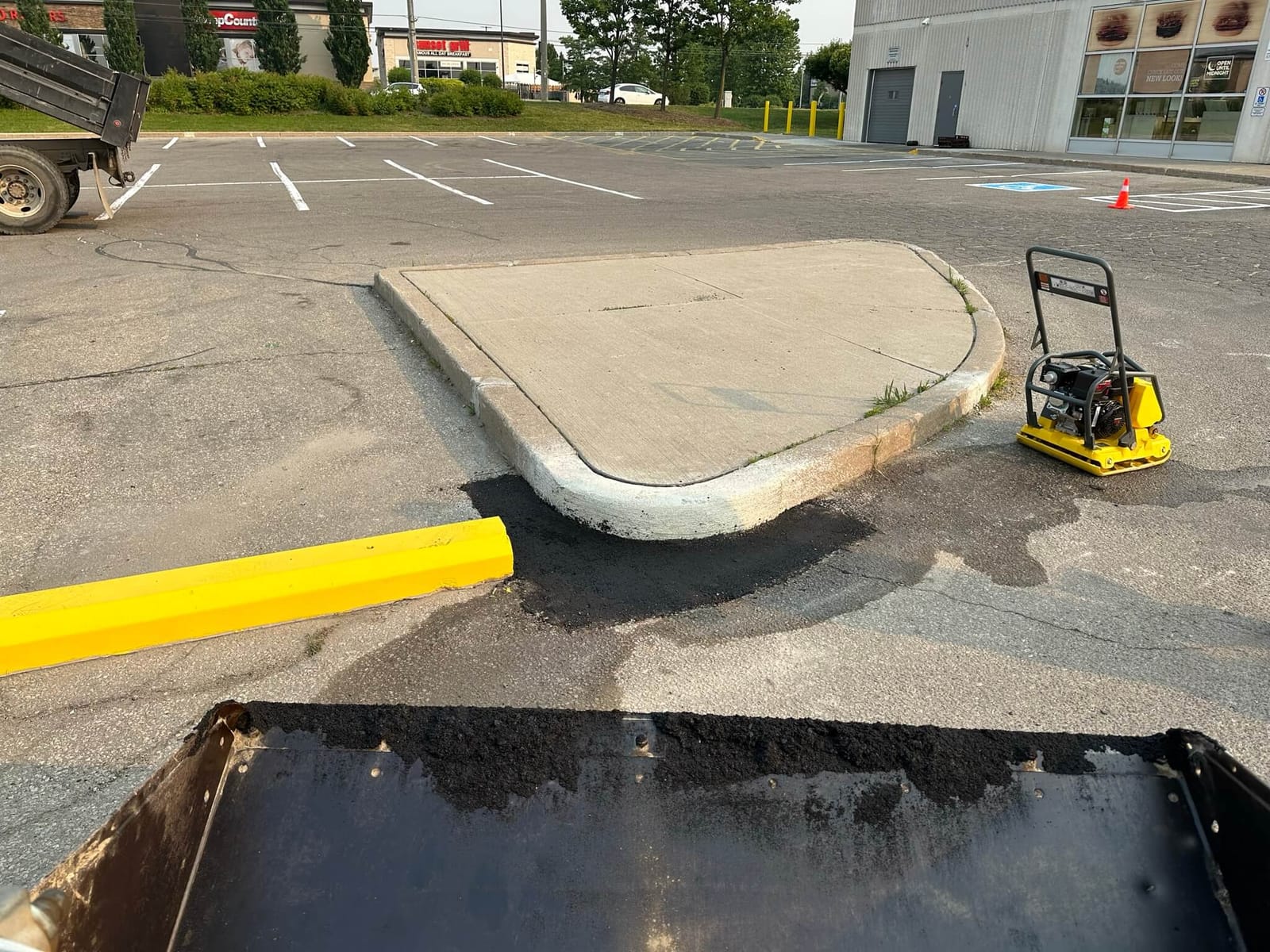
Keep your property safe and professional with expert parking lot repair in Gilbert, AZ. We fix potholes, alligator cracking, and failed areas with proper patching or full depth replacement. If your asphalt is beyond repair, we can remove and rebuild the lot from the base up. Request a free parking lot inspection and repair plan.
Precision Asphalt Gilbert provides professional parking lot repair throughout Gilbert, AZ, Arizona and the surrounding area. Our licensed, insured crew delivers safe, clean, on-time work with a free estimate before anything begins. Call (602) 641-4473 or request your free quote.
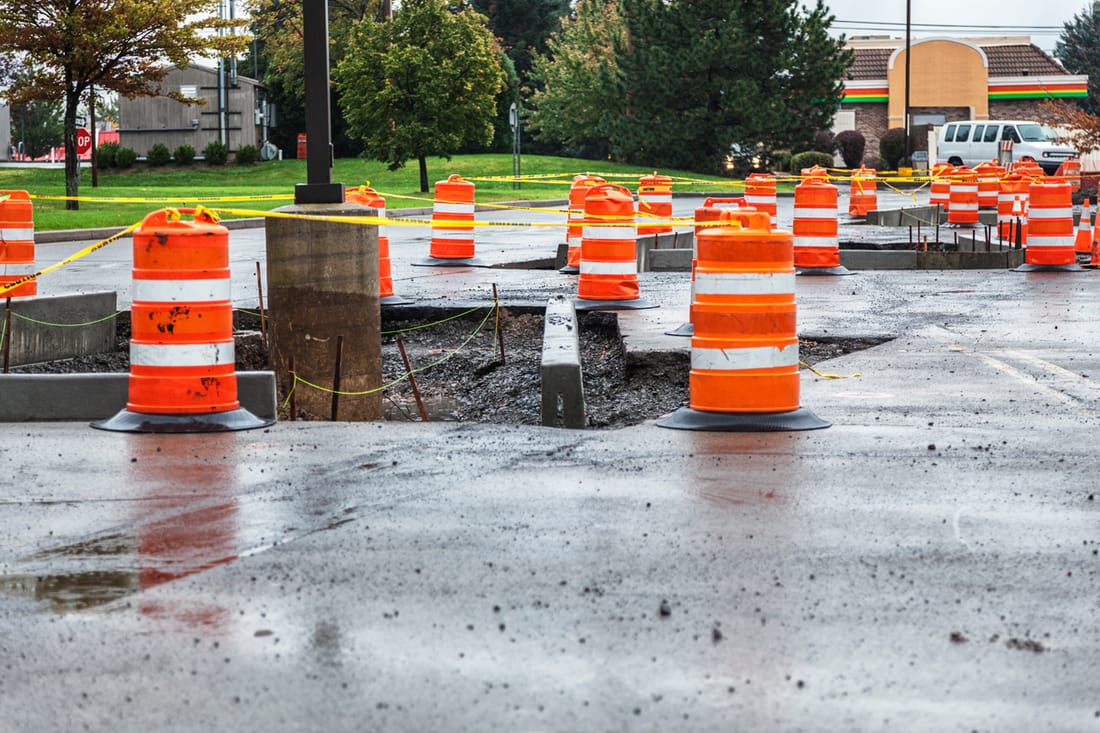
Parking lot repair for Gilbert properties that actually holds up
In Gilbert, parking lots take a beating from summer heat, monsoon downpours, and constant traffic. Precision Asphalt Gilbert focuses on parking lot repair and replacement that matches these local conditions instead of using a one-size-fits-all approach.
For neighborhood retail centers along Gilbert Road, busy medical offices near the 202, and church lots off Guadalupe, the same problems show up again and again: cracking from heat, raveling where the surface stones come loose, low areas that pond water after storms, and faded or confusing striping. Our first step is always a thorough walk-through inspection with you. We identify structural failures versus surface wear, take note of drainage issues, check base stability at trouble spots, and document safety concerns like potholes in drive lanes or trip hazards at ADA routes.
From there, we separate what can be repaired from what truly needs replacement. Many owners in Gilbert are told they need a full tear-out when they only need targeted patching and resurfacing. We explain each option in plain language, show you typical life expectancy in our climate, and help you match the solution to your budget and how long you plan to hold the property.
Common parking lot issues in Gilbert and how we fix them
Gilbert parking lots typically show specific patterns of wear that tell us what is going on underneath. Alligator cracking in wheel paths of drive-thrus and entrances usually means the base is failing. In that case we cut out the damaged area, excavate weak subgrade, replace with compacted aggregate base, then place and compact new hot mix asphalt. Simply filling these cracks without fixing the base would let the damage come right back.
Linear cracks across older lots near older retail centers built in the 1990s often result from shrinkage or minor movement. These can often be repaired with hot crack sealing, followed by sealcoating, which keeps water out and slows further deterioration. Depressed areas that hold water after monsoon storms, especially near dumpster enclosures or behind buildings, usually need milling or removal of the low area, correction of slope, and new asphalt with a smooth tie-in.
Surface raveling, where the top stones are loose and the texture feels rough, is very common on lots that have not been sealcoated in years. When raveling is not severe, a thin overlay may restore a smooth surface. When raveling is deep, we mill the top layer to a set depth, clean the surface thoroughly, apply tack coat, then pave with new asphalt. Precision Asphalt Gilbert explains which issues are cosmetic and which are structural so you do not overpay for work you do not need.
Repair vs full replacement: choosing the right scope
One of the most important decisions for any property owner is when to stop repairing and commit to replacement. Precision Asphalt Gilbert looks at four key factors: age of the pavement, amount of structural failure, drainage performance, and your operational needs.
If more than about 25 to 30 percent of your parking lot shows interconnected alligator cracking, potholes, or sinking, large patching programs start to cost almost as much as a partial or full replacement and still leave you with a patchwork appearance. Older lots in Gilbert from the early 2000s that have never had overlays often fall into this category. In these cases, we price out several options: heavy patching plus overlay, full-depth reconstruction of the worst areas, or complete tear-out and rebuild.
For apartment communities and medical offices that cannot shut down entirely, we often phase replacement work, rebuilding one section at a time. We create a traffic control and access plan with you so tenants, patients, and deliveries can still reach the property. When drainage is the main problem and asphalt is otherwise sound, we may regrade only certain sections or add new catch basins instead of replacing everything. Each proposal from us clearly lists what is being removed, what is being replaced, thicknesses of new materials, and realistic life expectancy in Gilbert conditions so you can compare options accurately.
Our step by step parking lot repair & replacement process
A successful project in Gilbert starts with planning. Once you choose a scope, Precision Asphalt Gilbert schedules work to avoid trash pickup, deliveries, or peak traffic as much as possible. We notify you of exact dates, phases, and which areas will be closed at each step.
On repair projects, we begin with saw cutting around failed areas to create clean edges. We remove broken asphalt, inspect the base, then rebuild it if needed with compacted aggregate to a specified depth. On replacements, we mill or excavate the old asphalt, haul it for proper recycling, proof roll the base to find soft spots, and correct any failures before paving. Skipping base corrections is one of the main reasons some lots fail early in the Valley.
When the base is ready, we apply tack coat to bond old and new asphalt where needed, then place hot mix asphalt at the correct temperature and thickness. For most commercial parking lots in Gilbert, we use 2 to 3 inches of asphalt over an engineered base, but heavy truck lanes might call for thicker sections. We compact with the right rollers in a pattern that achieves proper density. After cool down, we install striping, fire lanes, ADA stalls, and signage that meet current municipal and ADA requirements. We finish with a final walkthrough with you to confirm drainage, access, and layout all work as planned.
Materials, design choices, and what affects cost
Not all parking lot repair and replacement projects in Gilbert should use the same design. Precision Asphalt Gilbert looks at your property type, traffic type, and long term goals to recommend materials.
Light duty areas, such as parking for professional offices and schools, can often use standard asphalt mixes and typical section thicknesses. For industrial sites, auto repair shops, or any loading docks that see repeated garbage truck or delivery truck traffic, we may recommend thicker asphalt, a stronger base, or concrete pads in specific high stress areas so rutting and shoving do not appear within a few summers.
Key cost drivers include how much of the lot is structurally failing, how many inches of asphalt or base must be replaced, site access for trucks and equipment, required drainage corrections, and whether work can be done in one continuous phase or must be heavily phased. A simple overlay on a mostly sound Gilbert office lot is far less than a full-depth reconstruction of a shopping center with poor drainage and truck traffic. We provide itemized estimates so you see the cost effect of each choice, like upgrading truck lanes or adding extra crack sealing and sealcoat for longevity.
What Gilbert customers should know before hiring
Before you hire anyone for parking lot repair or replacement in Gilbert, there are a few practical checks that protect your investment. Make sure the contractor is familiar with local soil and drainage issues. Expansive clays in certain parts of town and flat, poorly graded lots behind older strip centers need specific base and slope designs, not generic rules that work elsewhere.
Ask for the proposed asphalt thickness, base thickness, and compaction requirements in writing, along with the specific mix type. A vague quote that just says "repave parking lot" without details is hard to compare and often leads to thinner sections that will not hold up to Gilbert heat. You should also see a clear traffic control plan and phasing schedule so your business can keep operating while work is being done.
Precision Asphalt Gilbert encourages property managers and owners to walk the site with us during the estimate so we can point out each issue and discuss repair or replacement options on the spot. We stand behind our work with written workmanship warranties that are realistic for Gilbert conditions. After the project, we can set up a maintenance plan that includes periodic crack sealing, sealcoating, and re-striping so your new or repaired parking lot keeps performing and looking professional for years instead of just a few seasons.